
%20(1).jpg)
Equity in transportation is complex because impacts differ depending on how people are grouped, what needs are prioritized, and which modes or regions receive investment.
A decision that seems fair from one perspective may leave certain communities underserved from another. Despite the challenges of implementing equitable transport, progress is still possible in ways that benefit commuters from diverse backgrounds, abilities, and circumstances.
Join us to learn what equity in transportation is, how it affects access to jobs, education, and healthcare, and how tools like demand-responsive transport, carpool solutions, and inclusive planning help create inclusive transport systems.
What is Equity in Transportation?
Equity in transportation refers to designing transport systems that are fair and accessible for all users, taking into account differences in needs, resources, and circumstances.
It ensures that benefits and costs are distributed in ways that allow everyone to participate fully in social and economic life.
Unlike equality, which assumes everyone can be treated the same, equity recognizes that some people rely more heavily on public transit, walking, or cycling, and may need additional support to access mobility opportunities.
Incorporating equity into transport planning helps create systems that are not only efficient but also reliable and socially just.

Why Equity in Transportation Matters
Transportation decisions influence how resources are allocated, who can access jobs and services, and how communities develop.
When transport systems prioritize fairness and inclusion, they can better serve individuals and wider society in the following ways:
Access to Jobs, Education, and Healthcare
Equitable transport ensures people can reliably reach essential destinations such as workplaces, schools, healthcare facilities, and other community resources.
When mobility in transportation is more accessible to everyone, including those who have physical limitations or rely on lower-cost travel options, it reduces barriers to opportunity and supports people in carrying out daily activities, regardless of their income, age, or physical ability.
Social Inclusion and Quality of Life
Transport equity influences quality of life by enabling participation in cultural, recreational, and civic activities.
Affordable and reliable travel options also encourage active lifestyles, reduce stress, and help people stay connected to their communities, positively contributing to wellbeing and life satisfaction.
Economic and Community Impact
Investments in equitable transport that prioritize underserved areas can reduce travel costs and support balanced economic growth.
Conversely, projects that neglect equity, such as highways that divide neighborhoods or policies or infrastructure that disproportionately burden non-drivers, can worsen disparities.
Equity-informed planning ensures that communities benefit fairly from transport investments, creating more resilient and sustainable urban environments.
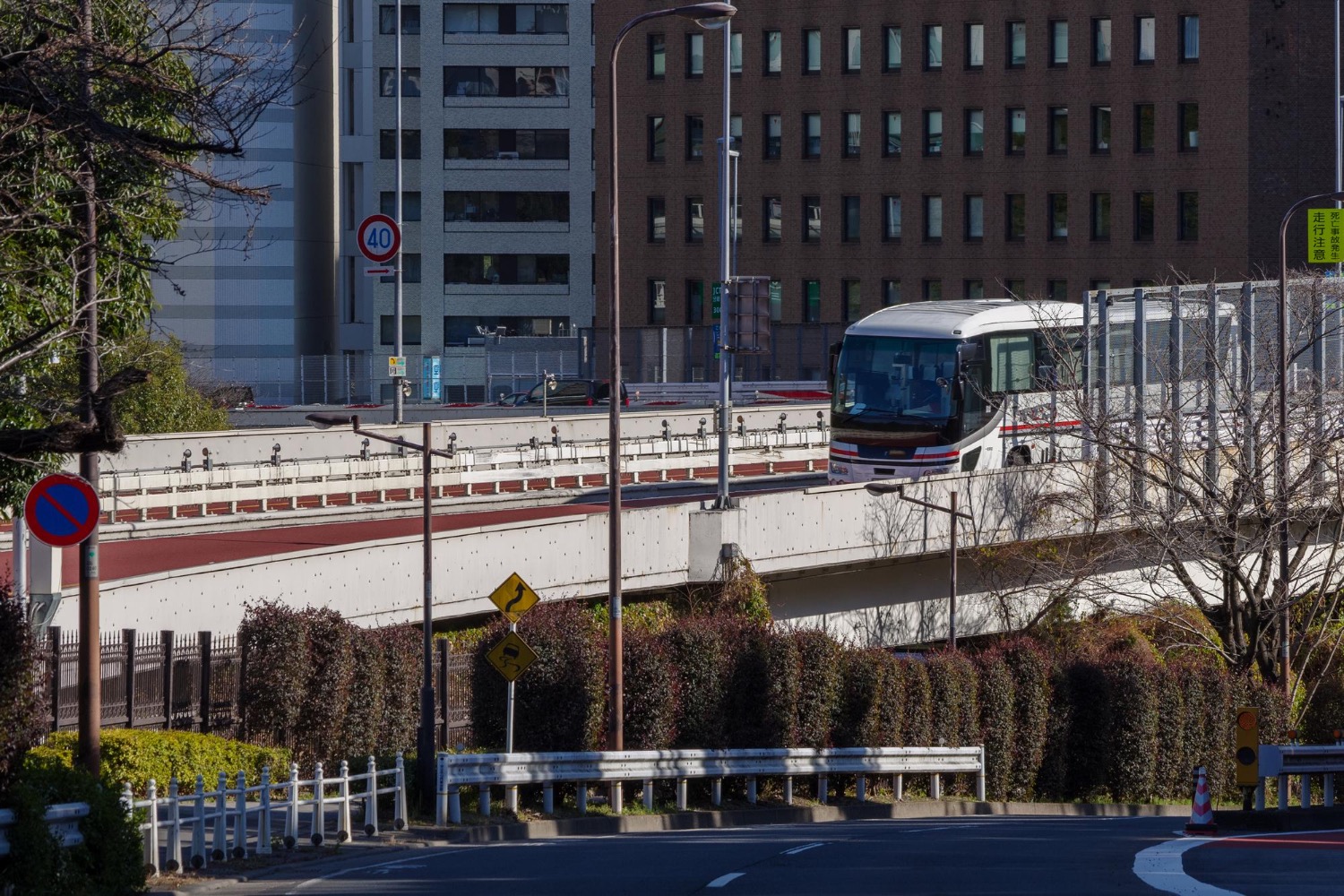
What Are Some Common Barriers to Equitable Transport?
While increasing equitable transport is a desirable goal, several barriers can make its implementation challenging:
Geographic and Rural Isolation
Implementing equitable transport in rural or low-density areas is particularly difficult because populations are spread out and destinations are farther apart. Longer travel distances increase per-passenger costs, and low ridership can make traditional fixed-route services economically unsustainable.
Extending high-quality public transit, walking, or cycling infrastructure into these areas requires difficult trade-offs between coverage and efficiency.
A rural bus service, for instance, may prioritise frequent trips along a main route, improving efficiency but excluding many residents. Alternatively, it can serve a wider area with more stops, increasing coverage while slowing journeys and raising operating costs.
However, alternative models, such as demand-responsive transport (DRT), flexible routing, or microtransit services, can provide equitable mobility even in rural areas without incurring unsustainable operating costs.
Cost and Affordability Challenges
Equitable transportation initiatives in any geographic location often require significant upfront investment in infrastructure, vehicles, technology, and staffing.
While the long-term social and economic benefits of equitable mobility can be substantial, limited budgets or competing priorities often delay progress.
Without dedicated financial resources, even well-designed equity-focused plans can struggle to become a reality, and as a result, efforts may never be fully implemented.
Accessibility for People With Disabilities
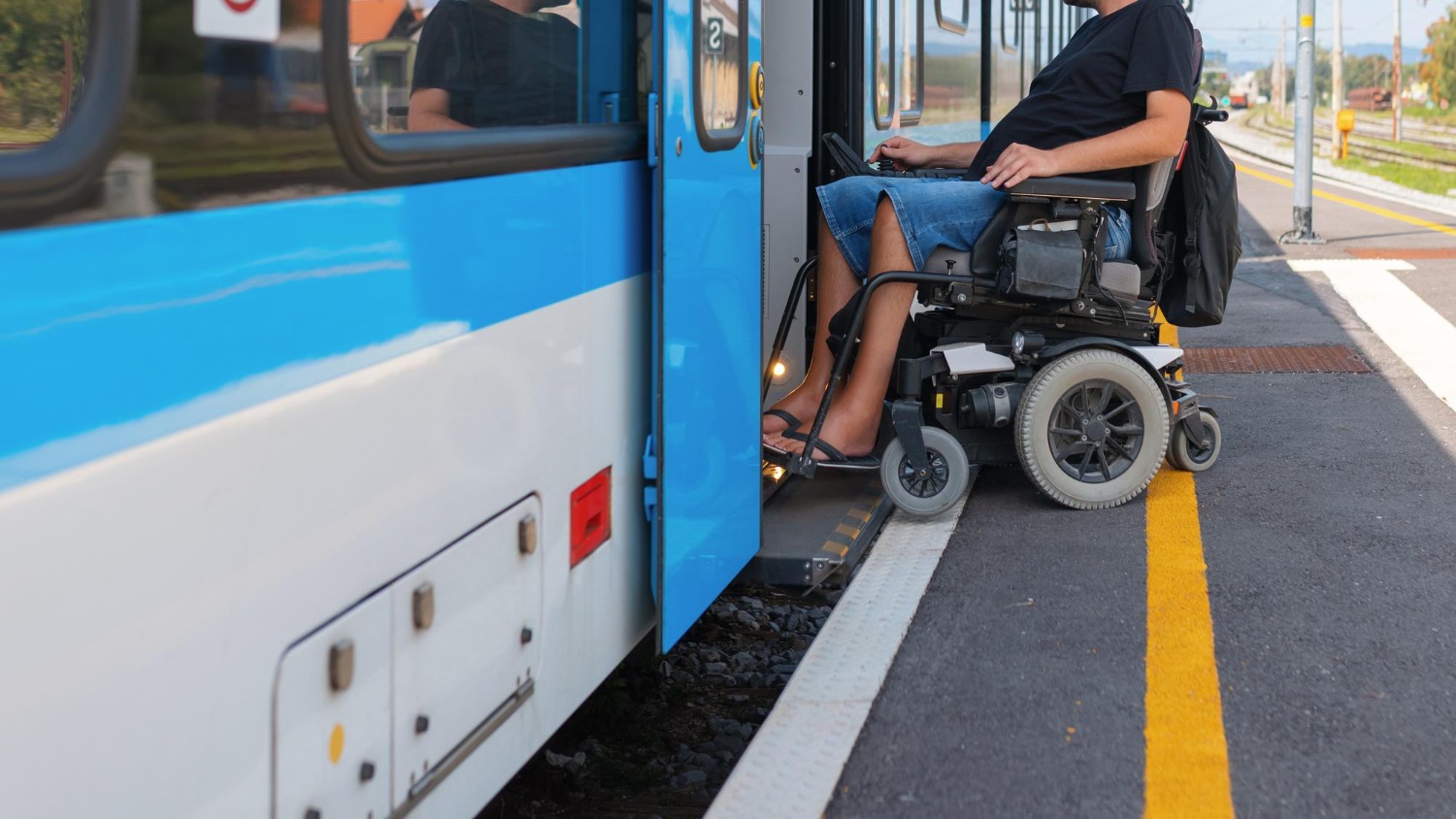
Providing truly accessible transport, including vehicles, stations, stops, sidewalks, and cycling infrastructure that accommodate people with disabilities and older adults, can be technically complex and costly.
Designing lifts, ramps, tactile guidance systems, low-floor buses, and accessible pedestrian crossings requires specialized planning and large investments.
Residential self-selection can further increase these challenges, as more mobile and independent seniors may choose neighborhoods with high accessibility and active mobility infrastructure, while older adults with mobility constraints may remain in car-dependent areas due to affordability, housing availability, or proximity to specialized care facilities.
This pattern can concentrate demand in some areas while leaving other communities underserved, making it harder to implement inclusive services uniformly to meet the needs of all residents.
Inflexible Transport Services
Rigid transport networks, such as fixed-route buses with limited schedules or uncoordinated transit modes, can make it difficult for people with irregular work hours or shift schedules, and for residents in low-density areas, to access essential destinations.
These systems may leave coverage gaps, creating inefficiencies and forcing users to rely on private vehicles, thereby undermining equity goals.
How Does Shared Transport Improve Equity?
Here’s how shared transport options can improve equity:
Serving Low-Density and Underserved Areas
Shared transport models, like carpooling, microtransit, and on-demand shuttles, can extend mobility to areas where traditional fixed-route services are limited or uneconomical.
These options can provide flexible coverage in low-density neighborhoods or regions with dispersed populations, ensuring that residents who would otherwise face geographic isolation have access to jobs, education, healthcare, and community services.
Improving Access Beyond Fixed Timetables
Shared transport can respond dynamically to demand, offering trips when and where they are needed, such as for people with irregular or late working hours, or personal obligations that extend into evenings or weekends.
This flexibility reduces waiting times and ensures that all members of a community, including those who rely on public transport, face minimal obstacles when traveling between destinations.
Reducing Transport Costs Through Sharing
Sharing transport resources lowers the individual cost of travel, making mobility more affordable for people on tight budgets.
Pooled options also reduce reliance on private vehicles, thereby cutting expenses for fuel, insurance, maintenance, and parking.
This supports more sustainable travel patterns that also benefit the wider community by reducing traffic congestion and emissions.
The Role of Employers and Organizations in Transport Equity
See how employers and organizations can contribute to transport equity:
Employer-Led Transport for Shift Workers
Employers can help close mobility gaps by providing transport solutions that meet the needs of shift workers and employees in lower-wage roles.
Options like dedicated shuttle services to transit hubs, subsidized transit fares, or ride-hailing credits make it easier for employees to reach work reliably, while contributing to equity efforts by ensuring all workers, regardless of their income, schedule, or location, have fair access to reliable transportation.
Supporting Inclusive Workforce Participation
Closing the mobility gap for employees at all pay grades is increasingly recognized as a practical strategy for improving workforce productivity and stability.
Employee transportation services or other mobility support programs help employees reliably access jobs, training, career development opportunities, and other work-related commitments.
These programs can also help reduce turnover and absenteeism, since long or unreliable commutes can increase stress and limit free time for family and social activities, which may cause employees to seek alternative employment.
Transport as Part of Social Responsibility
Investing in equitable transport is a way for organizations to demonstrate social responsibility, as programs that expand access to work and services benefit the entire community.
Actions such as assessing current mobility needs and evaluating options to address gaps in access help employees travel more affordably, while reinforcing the organization’s commitment to workforce inclusion and equity.
How Does Technology Enable More Equitable Transport?
Here’s the role technology plays in increasing equitable transportation:
Demand-Responsive Transport Solutions
Digital platforms and mobile apps enable demand-responsive transport solutions to operate efficiently by adjusting routes and schedules in real time in response to passenger requests.
GPS tracking, dynamic routing algorithms, and other features ensure that vehicles serve areas with lower demand or communities without fixed route transit, helping improve access for riders.
Data-Led Planning for Inclusive Services
Modern technology helps transport planners understand how people actually use transit and where gaps exist.
Tools like bus and train sensors, smart ticketing systems, and app data from fixed route transit software and other mobility platforms show which routes are crowded, which are underused, and when people travel most.
Using this information, planners can create better schedules while adjusting routes or adding new services where they are needed most.
Predictive modeling can even forecast how changes, like adding a bus line, extending service hours, or integrating transit-oriented development, will affect access and equity.
Designing Transport Around Real User Needs
Technology allows transport planners to focus on the real-world experiences of commuters instead of assuming a “one-size-fits-all” system.
Online surveys and feedback tools collect information about where and when people travel, and what challenges they face, such as long walks to stops, irregular schedules, limited travel options, or accessibility barriers.
Services can be adapted through on-demand rides, refined schedules, new routes, extended hours, accessible vehicles, or carpool solutions, to ensure all users, including older adults, people with disabilities, and lower-income commuters, can travel safely and reliably.
How Do Equity and Sustainability Shape the Future of Transport?
Investing in equitable and sustainable transportation will change the future of communities and cities by:
Using Equity as a Core Pillar of Sustainable Mobility
In the future, equitable transport will reach neighborhoods that currently lack reliable service. Streets and transit hubs will be fully accessible, with ramps, lifts, and safe crossings, making public transit, as well as walking and cycling, practical for everyone.
This means more people will choose shared and active transport instead of private cars, reducing congestion and emissions while making low-carbon travel more convenient.
Aligning Climate Goals With Social Outcomes
Sustainable transport will visibly change the vehicles and infrastructure people use every day.
Fleets of buses, shuttles, and shared cars will run on electric or low-emission power, while protected bike lanes and pedestrian zones will expand across urban and suburban areas.
Air quality will improve, noise pollution will drop, and streets will feel safer and more pleasant for everyone, particularly those in densely populated or historically underserved areas.
Building Transport Systems That Work for Everyone
As road spaces shift from prioritizing private vehicles to shared and equitable networks, travel will become faster, more reliable, and affordable for those without cars, with seamless connections between walking, cycling, and public transit.
As this transition happens, commuters will notice shorter trips, more frequent services, better access to jobs, schools, and healthcare, safer streets, clearer wayfinding, improved accessibility for people with mobility challenges, and neighborhoods that feel more connected and easier to navigate.

Learn More About Equity in Transportation
Creating equitable transport systems that are fair and accessible requires thoughtful planning and innovative, technology-driven solutions.
At Liftango, we support organizations in implementing shared mobility programs, including demand-responsive transport, carpooling, fixed-route transit, and microtransit, that expand access and reduce travel barriers.
Contact us today to explore how your organization can support equitable transportation.

FAQs
What is transportation equity?
Transportation equity means designing transport systems that are fair and accessible for everyone. It ensures that travel services and costs are distributed in ways that take into account differences in income, mobility needs, and access to resources.
Why is equity important in transportation systems?
Equity ensures that everyone, regardless of their age, income, location, or physical ability, can access jobs, education, healthcare, and community services as needed. It also supports healthier lifestyles, reduces travel-related stress, and strengthens communities.
How can local governments promote equity in their transportation planning?
Governments can promote equity by investing in public transit, walking and cycling infrastructure, and demand-responsive services in underserved areas.
They can also use data-driven planning to identify mobility gaps, prioritize funding for vulnerable communities, ensure that policies and projects consider the needs of all residents, leverage transport technologies, and engage with community members directly to create solutions that work for them.
What role do community stakeholders play in transportation equity?
Community members, local groups, and advocacy organizations help planners see the real challenges people face when getting around. When these members are included in decisions, transport systems can better identify what people need and create solutions that really make a difference for those who use them most.
