
%20(1).jpg)
Transit-oriented development is reshaping how cities grow by placing people, not vehicles, at the centre. Rather than expanding road networks and car parks, this approach concentrates homes, jobs, and services around high-quality transit corridors.
The goal is to create walkable neighbourhoods where catching a bus or train, sharing a ride, or walking to the local shop is more convenient than driving.
As more authorities explore how to align land-use and mobility decisions, understanding the principles behind this type of development is becoming an essential part of modern transport and land-use strategy.
We'll be covering:
What is Transit-Oriented Development (TOD)?
Transit-Oriented Development (TOD) is a planning strategy that focuses on medium to high-density housing, jobs, and essential services within walking distance of major transport corridors.
Growth is concentrated around train stations, rapid bus stops, or light rail interchanges, supported by safe pedestrian routes and cycle paths.
Rather than allowing low-density expansion across a wide area, TOD creates compact, mixed-use districts with homes, workplaces, shops, and community services close together.
This reduces trip distances, supports more frequent services, and allows more people to live without relying on a private car.
When implemented effectively, TOD aligns transportation, land use, and planning decisions within a single, coordinated framework.

How Does TOD Improve Urban Mobility?
Well-designed transit-oriented development can transform how people move around a city.
By placing everyday destinations near high-quality public transportation, it shortens trip distances and makes non-car modes more attractive.
Frequent services, reliable journey times, and safe walking routes work together to improve mobility for those who do not drive, while also reducing congestion for those who still need to travel by car.
Reducing Congestion and Emissions
Concentrating growth around major stations and corridors reduces the need for long, car-based commutes. Shorter trips mean fewer vehicle kilometres travelled and less pressure on busy intersections.
As more people walk, cycle, or use public transport, peak demand on the road network decreases, helping lower emissions and improve air quality.
Over time, this supports regional net-zero goals and reduces the health impacts linked to car-dominated transport systems.
Supporting Public and Shared Transport
TOD districts provide the passenger density needed to sustain frequent and reliable services. When many people live and work near a corridor, operators can justify higher frequencies and extended operating hours.
This strengthens the case for investment in priority lanes, interchanges, and accessible vehicles.
It also creates a natural environment for multi-modal transportation options, such as bike sharing, shared e-scooters, and on-demand shuttles that connect nearby streets to trunk routes.
What Are the Benefits of TOD for Communities?
Beyond mobility, transit-oriented development brings a wide range of benefits for the surrounding community. Compact, mixed-use districts can support vibrant main streets, active local businesses, and a greater diversity of homes.
When essential services are clustered around key nodes, people spend less time travelling and more time engaging with their neighbourhoods.
This can improve social cohesion, while also supporting healthier lifestyles through increased walking and cycling.
Economic and Social Advantages
TOD can attract new investment by making areas around major interchanges more appealing to employers, retailers, and service providers.
Higher footfall supports local shops, hospitality, and small businesses, while reliable access to workers strengthens the case for offices or coworking spaces.
Although property values may increase, supportive policies such as inclusionary zoning, affordable housing requirements, and community benefit agreements help ensure that long-term residents benefit from growth rather than being displaced.
Better Access to Jobs, Health, and Education
When homes, services, and workplaces are situated near rapid corridors, people can access jobs, healthcare, and education more easily and at a lower cost. This is especially valuable for those who cannot or prefer not to drive.
TOD also supports ageing populations by giving them access to essential services without relying on a car.

How Do Shared Mobility Services Support TOD?
Shared mobility plays a pivotal role in extending the reach of fixed route corridors and filling gaps that are not easily served by traditional routes.
In transit-oriented development districts, services such as demand-responsive shuttles, carpooling platforms, and microtransit routes can connect homes, offices, and community facilities to rail or bus nodes, facilitating seamless transportation.
These flexible services offer an attractive alternative to driving alone, particularly for first and last-mile trips.
Demand-Responsive Transport (DRT)
Many agencies use on-demand shuttles to connect outlying streets or business parks to major corridors.
These services can be especially powerful in TOD contexts, where dense nodes are interspersed with lower-density blocks.
To understand how flexible operations link neighbourhoods with trunk routes, see our overview of DRT in urban areas or its more general guide to demand-responsive transport.
Corporate and Campus Shuttles Near Transit Hubs
Organisations near major transit hubs often run employee shuttles to link offices, campuses, or industrial sites with nearby interchanges.
These services reduce parking demand, improve punctuality, and encourage staff to use rail or rapid bus rather than driving.
In TOD districts, they can complement local services through timed connections and shared infrastructure while still meeting specific needs for employers or education providers.
Carpooling to Reduce Parking Pressure
Parking is one of the most contentious issues in TOD, particularly in locations transitioning away from minimum parking requirements.
Structured ride-sharing can ease the shift by making it easier for people to share trips along major corridors.
We have worked with many universities and employers to deliver successful university carpool programs, demonstrating how incentives, digital platforms, and priority spaces can all encourage shared trips and free up valuable land currently occupied by large car parks.
NEMT for Improved Accessibility
Non-emergency medical transport (NEMT) can also support TOD goals by ensuring that people with mobility challenges or complex health needs can reach clinics and hospitals located in centralised districts.
When NEMT services are integrated with corridor design and stop locations, it becomes easier to coordinate drop-off zones, waiting areas, and interchange layouts that support safe, dignified travel for all passengers.
Microtransit for Low-Density Areas
Some streets, cul-de-sacs, and business parks sit beyond easy walking distance from key stops. Microtransit can link these areas to TOD cores using flexible routing that adapts to changing demand.
It is especially useful during off-peak times or in locations where fixed routes would struggle to attract enough passengers to operate reliably.
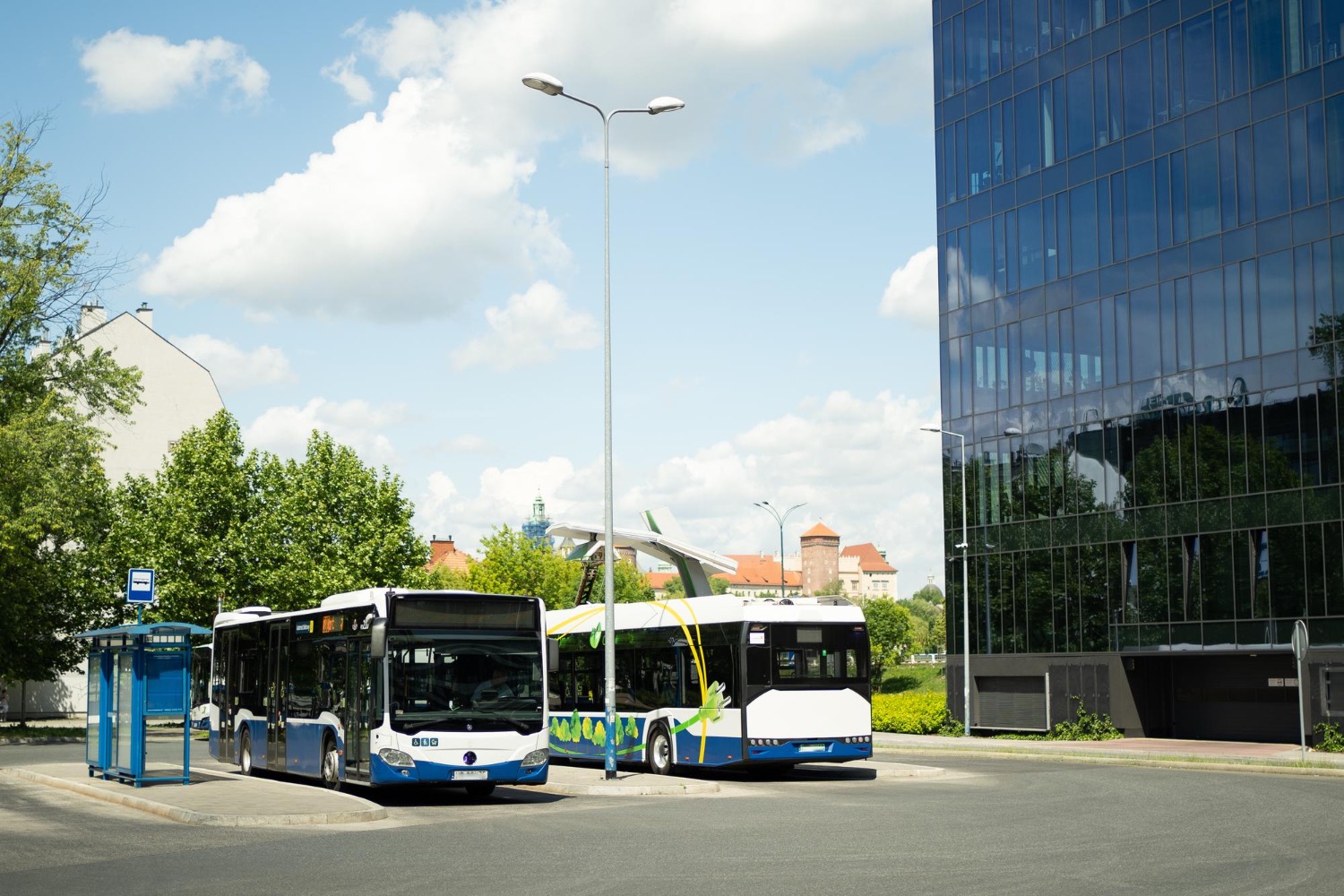
What Challenges Do Cities Face When Implementing TOD?
Although the benefits of TOD are significant, many authorities encounter practical and political challenges when transitioning from concept to implementation.
Constraints linked to existing zoning codes, fragmented governance, or local opposition can slow progress.
Understanding these challenges is crucial to designing realistic programmes that maintain public support.
Community Resistance and Reduced Parking
Residents often express concern that new buildings around corridors will make streets busier or put pressure on limited parking.
Clear communication, transparent modelling, and early engagement can help address these fears.
Visualisations, local examples and pilot projects can demonstrate that high-quality design, good walking infrastructure and appropriate parking controls can deliver quieter, more pleasant streets rather than overcrowded thoroughfares.
Data, Modelling, and Planning Needs
Effective TOD relies on strong data and analytical tools to forecast demand, test land use scenarios, and understand how different service combinations will perform.
Many authorities need to build internal capability or work with specialist partners to develop models that reflect real travel behaviour.
Without this evidence base, it becomes difficult to set realistic mode share targets, design street networks, or plan investment across a wider regional system.
Public-Private Collaboration
Transit-oriented development typically involves multiple landowners, agencies, and delivery partners.
Transport authorities, local councils, and private developers need to coordinate decisions on density, street layout, stop locations and funding contributions.
Aligning incentives can be challenging, particularly where short-term commercial considerations conflict with long-term network performance, liveability, or state policy goals.
How Can Cities Deliver Effective TOD?
Delivering strong outcomes requires a coordinated approach to land-use decisions, corridor investments, and shared mobility services.
Rather than treating TOD as a single project, many authorities now view it as a long-term framework for guiding growth, allocating funding, and assessing development proposals along major corridors.
Coordinating Land Use and Transit Planning
Effective TOD relies on strong coordination between land-use regulators and transportation providers.
Joint frameworks help focus new development around interchanges rather than dispersing growth across the metropolitan area.
Tools like structure plans, overlay zones, and value capture mechanisms align private investment with public goals, while design guidelines ensure streets, stops, and buildings support safe walking and cycling.
Using Mobility Data for Better Design
Travel pattern data, real-time occupancy information, and insights from shared mobility platforms can all support better corridor design.
Understanding how people currently move through a district makes it easier to identify missing links, prioritise safe crossings, or adjust stop locations.
These insights can also help evaluate whether new on-demand options are supporting a shift towards more sustainable transport, or whether further service changes are required.

How Does Liftango Strengthen TOD Projects?
Digital platforms that coordinate shared services, integrate bookings, and provide high-quality data can significantly strengthen transit-oriented development initiatives.
Liftango’s technology has been used to design, operate, and refine flexible services that complement fixed routes, providing decision-makers with detailed insights into travel behaviour and service performance.
Scalable On-Demand Mobility Technology
Liftango’s software supports a wide range of flexible services, from first and last-mile shuttles to campus circulators.
Matching passengers to vehicles in real time helps operators optimise coverage and waiting times.
The platform can also be configured to meet specific policy objectives, such as serving priority groups or connecting key employment sites near major transit nodes.
Reducing Private Car Use in TOD Zones
Targeted deployment of shared services can make it easier for people living or working in TOD districts to travel without a private vehicle.
On-demand shuttles, formal ride-share schemes, and integrated ticketing all help reduce dependence on single-occupancy trips.
Agencies exploring these options can see how a demand-responsive transport solution supports corridor-focused growth and improves interchange performance.
Expected Outcomes for Agencies
When flexible services are integrated with place-based strategies, agencies can expect improved corridor utilisation, more resilient networks, and more substantial evidence to support future business cases.
Data generated by shared services helps demonstrate how TOD initiatives influence mode share, trip patterns, and service performance over time, supporting continuous improvement.
What is the Future of TOD?
The next generation of transit-oriented development will be shaped by new technologies, integrated platforms, and evolving expectations about how people move.
Rather than focusing solely on built form, planners will increasingly consider how digital networks and emerging vehicle types influence demand across corridors.
AI and Real-Time Data
Artificial intelligence and real-time analytics are already being used to optimise routing, predict demand, and improve occupancy management.
In a TOD context, these tools can support dynamic allocation of kerb space, adjust service levels in response to special events, and inform long-term land use decisions based on observed behaviour rather than assumptions.
MaaS Integration
Mobility-as-a-Service platforms that combine trip planning, booking, and payment will be central to future TOD districts.
As automation advances, shared autonomous shuttles may offer frequent circulator services connecting precincts with major corridors.
Successful integration will require careful corridor design, clear operating frameworks, and strong collaboration between agencies and operators.

Learn More About Transit-Oriented Development.
Authorities considering new corridor projects or district structure plans can explore related topics such as multi-modal transportation strategies, flexible service design, and sustainable land use patterns.
To discuss how shared mobility technology might support your next project, you can contact us for further information.

FAQs
What is the main purpose of Transit-Oriented Development?
The primary purpose of Transit-Oriented Development is to focus growth along frequent corridors to create walkable, mixed-use districts where high-quality services provide a realistic alternative to car dependence.
Is TOD suitable outside large urban centres?
Yes. While TOD is often associated with metropolitan cores, smaller towns and secondary centres can also apply these principles by focusing growth around key interchanges and coordinating land use decisions with future corridor investments.
How does TOD reduce car dependency?
TOD reduces car dependency by shortening trip distances, improving service quality and frequency, and making it easier to complete everyday activities on foot, by bicycle, or through shared mobility options rather than driving alone.
How can Liftango assist cities adopting TOD?
Liftango can assist by providing digital platforms that support shared services, detailed data to inform corridor design, and tools that help agencies integrate flexible operations into broader strategies focused on oriented growth around key nodes.
