
%20(1).jpg)
Micromobility has become an increasingly visible part of modern transportation systems, particularly as towns and metropolitan areas seek more flexible and sustainable ways to move people.
From short local trips to first- and last-mile connections, micromobility is playing an increasingly important role in how everyday journeys are planned and delivered.
This guide explains what micromobility is, the types of vehicles involved, how systems operate in practice, and why it matters for public authorities, organisations, and everyday travellers.
We'll cover:
Shared e-scooters generate around 202 g of CO₂-equivalent per passenger mile, compared with approximately 414 g compared with approximately 414 g of CO₂-equivalent per passenger mile for private passenger vehicles.
What is Micromobility?
Micromobility refers to the use of small, lightweight vehicles designed for short-distance travel, typically within dense urban environments.
These modes are usually intended for individual use and are well-suited to short-distance trips, particularly within dense urban environments.
The concept has gained prominence as cities rethink how limited street space is allocated and how transport systems can better support sustainable travel behaviours.
What Are the Key Characteristics of Micromobility?
Micromobility options share several defining traits. They generally operate at lower speeds, occupy less physical space, and are optimised for short trips.
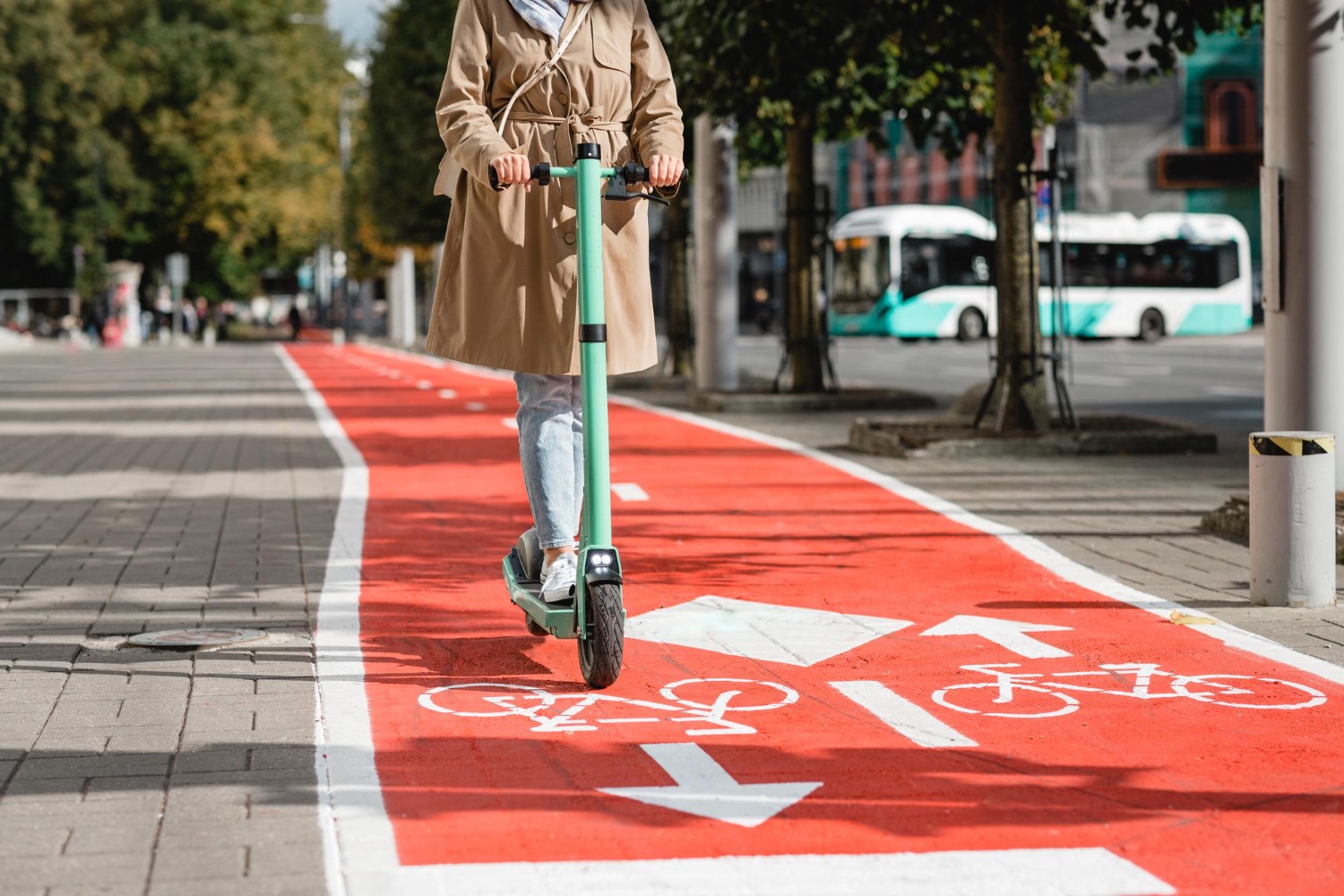
Most are designed to integrate easily with existing infrastructure such as cycle lanes, paths, and local streets, making them adaptable to a wide range of contexts.
How Does Micromobility Differ from Traditional Transport Modes?
Unlike conventional public transport or private cars, micromobility focuses on flexibility and proximity.
It complements mass transit rather than replacing it, offering an alternative for shorter journeys and improving access to stations and stops.
Compared to cars, micromobility requires less parking space and typically has a lower environmental footprint per trip. For example, a lifecycle analysis published in Nature Energy found that shared e-scooters generate around 202 g of CO₂-equivalent per passenger mile, compared with approximately 414 g of CO₂-equivalent per passenger mile for private passenger vehicles, depending on occupancy and use pattern.
What Are the Types of Micromobility Vehicles?
Micromobility encompasses a wide variety of form factors, each designed to meet different travel needs and user preferences.
Understanding these categories helps planners and operators match solutions to specific use cases.
Bicycles and E-bikes
Traditional pedal cycles remain one of the most widely used micromobility options, offered by companies such as Lime, Santander Cycles, and Citi Bikes.
In recent years, electric assistance has expanded cycling's appeal by reducing physical effort and extending practical trip distances. Bicycles and e-bikes are commonly used for commuting, errands, and leisure trips.
E-Scooters and Kick Scooters
Electric scooters have become a prominent feature of shared micromobility programs in many cities. They are typically designed for short, point-to-point trips and are popular for their ease of use.
Non-powered kick scooters are also used in private ownership, particularly for short neighbourhood journeys.
E-Mopeds and Light Electric Vehicles (LEVs)
E-mopeds and other light electric vehicles sit at the upper end of the micromobility spectrum.
They offer higher speeds and longer ranges while still occupying less space than cars. These vehicles are often used for delivery services or longer urban trips.
Adaptive Micromobility for People With Reduced Mobility
Adaptive designs extend micromobility to users with different physical needs.
This includes tricycles, handcycles, and seated electric devices that enhance independence and accessibility for people with reduced mobility, thereby supporting more inclusive transportation systems.
Emerging Vehicle Formats and Trends
Innovation continues to introduce new designs, including compact cargo options and hybrid formats.
These emerging vehicles reflect ongoing experimentation as manufacturers and operators respond to evolving travel patterns and regulatory frameworks.
Ownership vs. Shared Micromobility Models
Micromobility services can be accessed through different ownership and operational models.
Each approach has distinct implications for accessibility, cost, and system management.
Privately Owned Vehicles
Private ownership remains common, particularly for bicycles and personal electric devices.
Users value reliability and familiarity, while ownership shifts responsibility for maintenance and storage to the individual.
Station-Based Bike and Scooter Sharing
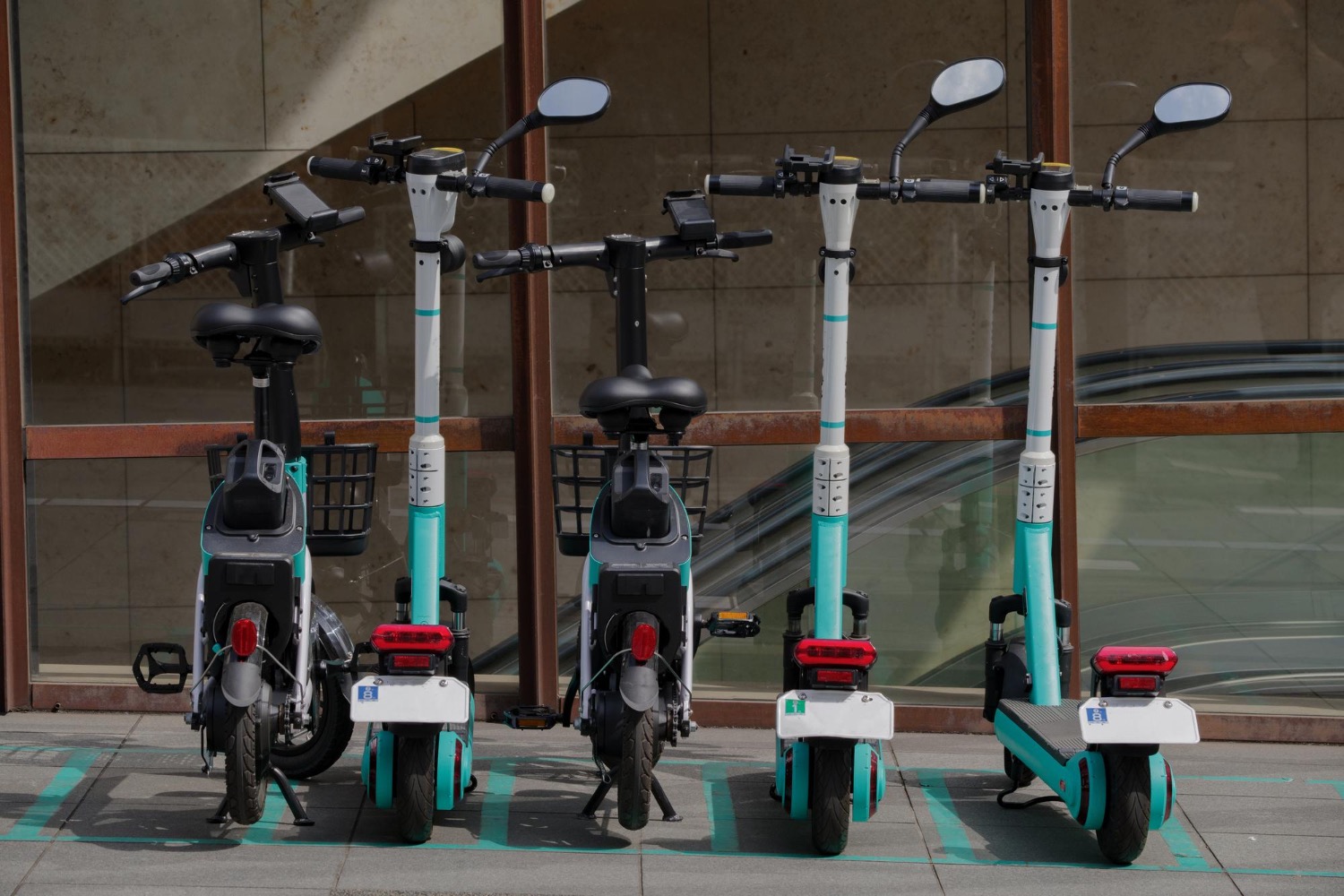
Station-based systems rely on fixed docking locations. These schemes offer predictable parking and availability, making them easier to manage within public space. They are often integrated into wider transport networks.
Dockless and Free-Floating Services
Dockless services allow vehicles to be picked up and left within defined operating zones.
This flexibility can improve convenience but also raises challenges around parking management and public realm impacts.
Corporate and Campus Micromobility Schemes
Organisations increasingly deploy micromobility fleets on campuses and large sites.
These schemes support internal travel, reduce reliance on private cars, and improve connectivity between buildings.
How Do Micromobility Systems Work in Practice?
Behind each micromobility service sits a combination of digital tools, operational processes, and policy frameworks that enable daily use at scale.
Digital Platforms, Apps, and Booking Flows
Most shared services rely on smartphone applications for discovery, booking, and payment.
These platforms provide real-time availability, navigation support, and account management for users.
Operations, Maintenance, and Rebalancing
Operators are responsible for ensuring that vehicles are safe, functional, and properly distributed.
This includes routine inspections, battery charging, and rebalancing fleets to meet demand patterns throughout the day.
Pricing Models and Incentives for Riders
Pricing structures vary by service type and location. Common models include per-minute rates, subscriptions, or bundled passes.
Incentives may be used to encourage responsible parking or off-peak usage.
Data Collection, Analytics, and Optimisation
Micromobility systems generate large volumes of trip data.
When shared appropriately, this information helps authorities optimise infrastructure planning and assess travel behavior trends.

Why Does Micromobility Matter for Cities and Transit Agencies?
Micromobility plays a strategic role in addressing long-standing transport challenges, particularly in dense urban environments where space and emissions are key concerns.
Micromobility Success in European Cities
Across Europe, national and local governments are increasingly embedding micromobility and active travel into long-term transport strategies.
In the UK, the Department for Transport’s Cycling and Walking Investment Strategy outlines a sustained approach to increasing walking and cycling for short journeys through infrastructure investment, integration with public transport, and behaviour change programmes.
This policy-led approach reflects a wider European trend towards reducing car dependency for short urban trips while improving access, safety, and network connectivity.

First- and Last-mile Connectivity to Public Transport
Short trips to and from transit hubs remain a barrier to public transport uptake.
Micromobility helps bridge this gap, complementing services such as microtransit and demand-responsive transport (DRT) to improve network coverage.
Reducing Congestion and Private Car Dependence
By shifting short trips away from cars, micromobility can reduce traffic congestion.
Research by the European Commission indicates that a substantial proportion of urban car trips are under five kilometres, making them suitable for alternative modes of transportation.
Supporting Climate and Emissions Targets
Micromobility contributes to lower emissions when it replaces car journeys.
According to the UK Department for Transport, active and electric travel modes are central to decarbonising local transport.
Improving Equity and Access to Essential Services
When planned inclusively, micromobility can expand access to jobs, education, and healthcare.
Links with community transportation initiatives help address gaps for underserved populations.

What Are the Benefits of Micromobility for Riders and Organisations?
Beyond system-level impacts, micromobility offers practical advantages for individuals and institutions alike.
Cost, Speed, and Convenience
For short trips, micromobility can be faster than driving or waiting for public transport.
Lower operating costs compared to car ownership make it an attractive option for frequent local travel.
Health and Wellbeing
Active modes such as cycling support physical activity and mental well-being. The World Health Organisation recognises active travel as a contributor to improved public health outcomes.
Access, Parking, and Experience
Smaller vehicles require less parking space and can improve the overall travel experience in busy urban areas. Easier access to destinations supports more liveable streets.
What Are the Challenges and Risks of Micromobility?
Despite its benefits, micromobility also introduces challenges that require careful management and regulation.
Safety Considerations and Infrastructure Gaps
Safety concerns often relate to inconsistent infrastructure and mixed traffic conditions. Protected lanes and clear signage are critical to reducing collision risks.
Sidewalk Clutter, Parking, and Public Space Management
Improper parking can obstruct footpaths and create accessibility issues. Clear rules and designated parking areas help manage these impacts.
Vandalism, Theft, and Vehicle Lifespan
Shared fleets are vulnerable to misuse and damage. Short vehicle lifespans have raised concerns about resource efficiency.
Accessibility and inclusion concerns
Not all users can easily access standard micromobility devices. Addressing these gaps requires inclusive design and complementary services.
Policy, Regulation, and Urban Design for Micromobility
Effective micromobility deployment depends on supportive policy frameworks and thoughtful urban design.
Licensing, Speed Limits and Operating Zones
Authorities define where and how services can operate, including speed caps and geofenced areas. Clear rules provide certainty for operators and users alike.
Parking Policy, Micromobility Hubs, and Corrals
Dedicated hubs and corrals reduce clutter and improve order in public spaces. These facilities also support integration with urban transportation networks.
Data-Sharing Frameworks Between Operators and Cities
Access to anonymised data helps cities plan infrastructure and monitor impacts. Standardised data-sharing agreements support transparency and accountability.
Designing Safe Streets and Protected Infrastructure
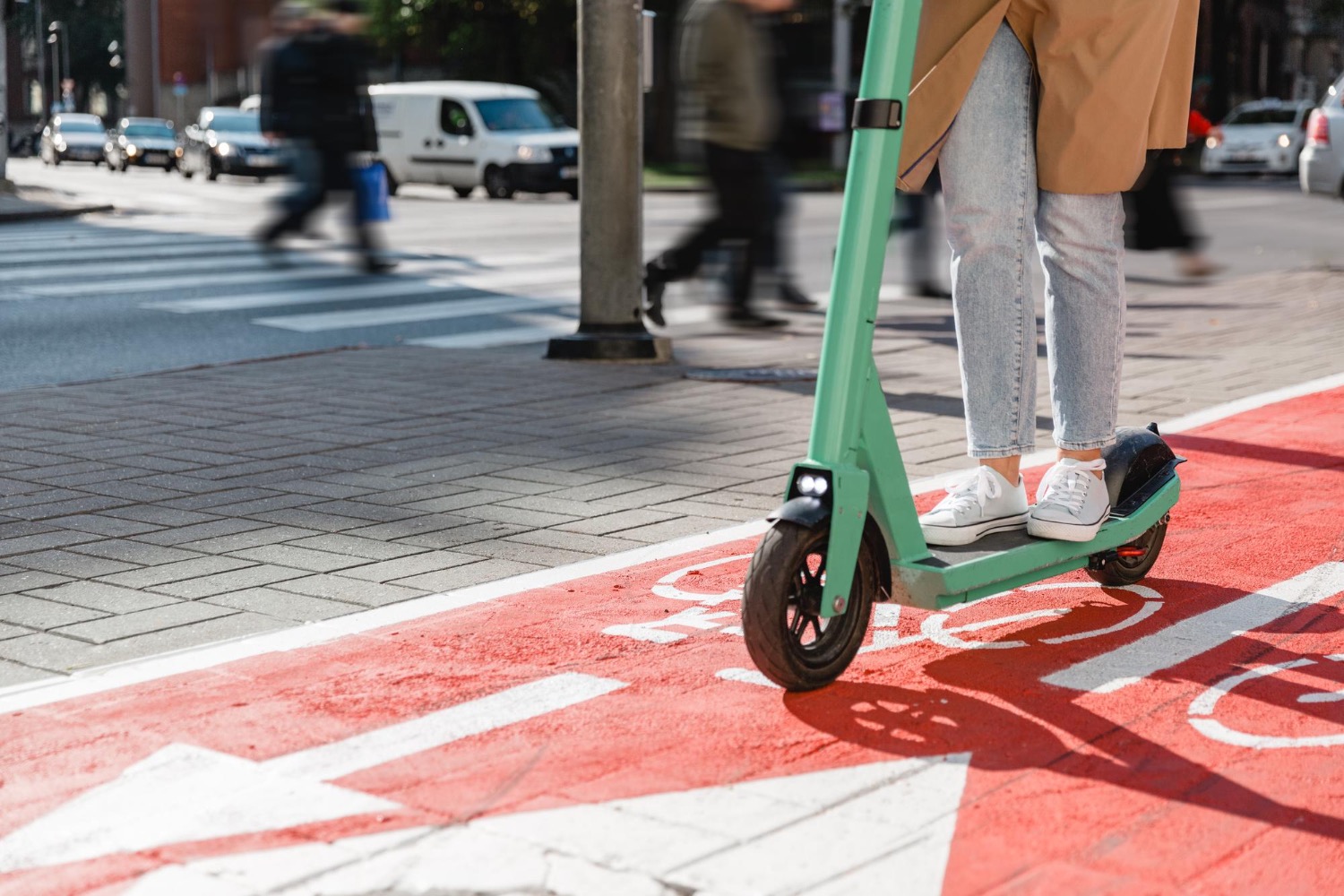
Street design plays a central role in safety outcomes. Protected lanes and traffic calming measures benefit all road users, not only micromobility riders.
Micromobility in An Integrated Mobility Ecosystem
Micromobility is most effective when treated as part of a broader, connected transport system.
Connecting Micromobility With Public Transport and DRT
Integration with buses, rail, and demand-responsive transport solutions improves overall network resilience and supports seamless journeys.
Mobility-as-a-Service (MaaS) Platforms and journey planning
MaaS platforms bring multiple modes together in a single interface, enabling users to plan, book, and pay for trips across different services.
Creating Unified User Experiences Across Modes
Consistent standards for information, payment, and customer support help build trust and encourage adoption across transport options.
Real World Micromobility Use Cases
Practical deployments demonstrate how micromobility can be adapted to different environments and needs.
City-Wide Shared Micromobility Programs.
Many municipalities operate regulated shared schemes that complement public transport and support sustainable travel goals.
University and Corporate Campus Deployments
Large campuses benefit from reduced internal traffic and improved accessibility through shared micromobility fleets.
Business Parks, Hospitals, and Large Sites
On-site micromobility supports efficient movement across expansive locations where walking distances are significant.
Rural and Peri-Urban Pilots
While often associated with dense areas, pilot projects show potential for micromobility in lower-density contexts when paired with on-demand transportation services.
How to Plan and Launch a Micromobility Program
Successful programmes are grounded in clear objectives and collaborative planning.
Defining Objectives and Success Metrics
Clear goals guide decisions around scale, vehicle choice, and performance measurement.
Choosing Vehicle Types and Operating Models
Selecting appropriate vehicles and models ensures alignment with local needs and regulatory conditions.
Partnering With Technology and Operations Providers
Specialist partners bring expertise in fleet management, digital platforms, and compliance.
Planning Infrastructure, Parking, and Integration Points
Infrastructure planning ensures safe operation and smooth integration with existing networks.
Marketing, Behavior Change, and Community Engagement
Engaging communities builds understanding and encourages responsible use through education and outreach.
What is the Future of Micromobility?
Micromobility continues to evolve as technology, policy, and user expectations change.
Technology Trends: Batteries, Connectivity, and Automation
Advances in battery efficiency and connectivity improve reliability and reduce operational costs.
Evolving Business Models and Public–Private Partnerships
Collaboration between authorities and operators is shaping more resilient and accountable service models.
The Role of Micromobility in Sustainable, Liveable Cities
As part of smart mobility strategies, micromobility supports broader goals around climate action and quality of life.
Learn More About Micromobility
To explore how micromobility fits within wider transport strategies, Liftango’s resources on smart mobility, urban mobility, and transportation technology provide additional context.
For tailored advice, organisations can also contact us to discuss specific mobility challenges.

FAQs
What types of vehicles fall under micromobility?
Micromobility includes small, lightweight vehicles designed for short trips, such as bicycles, electric scooters, and other compact electric devices.
How does micromobility affect traffic and congestion?
By replacing short car trips, micromobility can reduce congestion and free up road space, particularly in dense areas.
How are cities adapting to integrate micromobility?
Cities are updating regulations, investing in infrastructure, and integrating micromobility into urban transportation planning to support safer and more efficient use.
