





Do these problems sound familiar?

Need to increase ridership and efficiency

Limited data available on existing services

Lack of integration to the existing transport network
Optimise your network

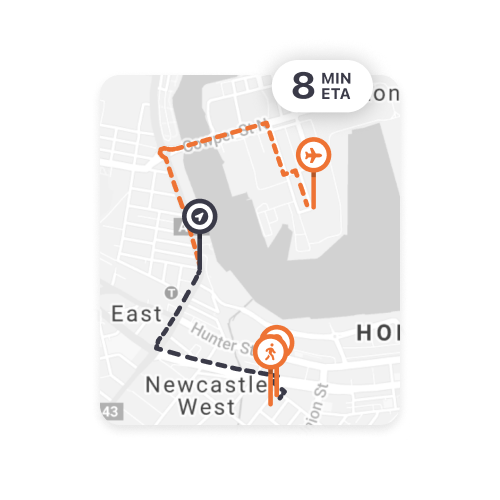
Personalise every journey

Future-proof your operations
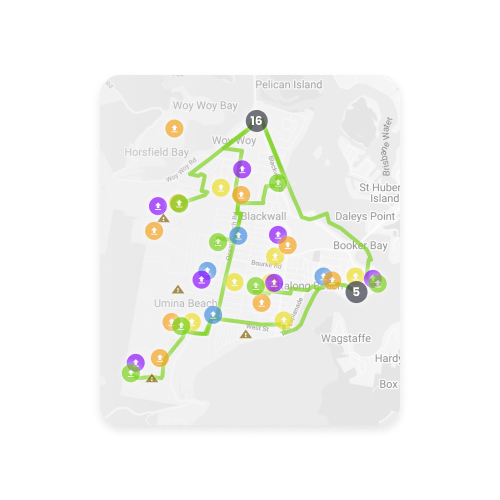

Seamless integration with Fixed-Route networks
See how Liftango integrates with new and existing fixed-route services, increasing coverage and ridership while protecting your best-performing buses.
Key features of our DRT solution

Seamless integration with existing networks
Set up service zones to include fixed-route recommendations and avoid cannibalisation.
Serve more types of passengers
Coordinate community, public and educational transit trips from a single fleet of vehicles.

Future-proof and scalable
Easily accommodate multiple fleet operators across regional service zones.
Analyse your service performance
Complete and transparent access to all service data makes it easier to manage and optimise your network.

Multiple service models to maximise patronage
We’ll perform in-depth simulations to ensure the service design will provide the optimal number of passenger trips.

Implementation and ongoing service support
Deploy confidently and realise results fast. We pride ourselves on supporting our partners through the entire process.
Want to learn more about DRT?


Frequently Asked Questions
Find answers to the most common questions below.
What makes your demand-responsive transport solution different from traditional fixed-route services?

Traditional fixed-route transport operates on predefined routes and timetables, running regardless of passenger demand and typically without the need for booking.
Our demand-responsive transport (DRT) solution, by contrast, is dynamic and user-centric. Routes and schedules are adjusted in real time based on passenger bookings, usually made through a mobile app. This allows vehicles to go where and when they are needed, reducing unnecessary trips.
Can your DRT platform be integrated with existing public transport networks and ticketing systems?
Yes, demand-responsive transport (DRT) platforms can be integrated with existing public transport networks and ticketing systems. Some solutions support a hybrid model, like Liftango’s solution, combining fixed-route public transport with on-demand services.
In these systems, passengers can enter their journey requirements into a single platform, which then presents available fixed-route public transport options where they exist, alongside on-demand, bookable services to fill gaps where fixed services are unavailable or impractical. This integrated approach helps create seamless end-to-end journeys, improves network coverage, and makes better use of existing transport infrastructure.
How do passengers book rides if they don’t have access to a smartphone?
Passengers without access to a smartphone can still book demand-responsive transport services through alternative booking methods. In addition to mobile apps, DRT services can offer telephone-based booking options, such as “ring and ride” services, where passengers speak to an operator who books the journey on their behalf.
Some services may also support pre-booked or recurring trips, helping ensure accessibility for passengers who are digitally excluded. By providing multiple booking channels, demand-responsive transport can remain inclusive and accessible to a wide range of users, regardless of their access to digital technology.
What types of operators or regions benefit most from using your DRT solution?
Demand-responsive transport (DRT) solutions are well-suited to operators and regions where traditional fixed-route services require additional support or are unable to meet specific community needs. This includes areas with low or variable demand, as well as situations where targeted services are needed to support community members who may face barriers to accessing conventional public transport.
Due to their flexible and scalable nature, DRT services can be deployed across both rural and urban environments worldwide, helping operators improve coverage, enhance accessibility, and better respond to the diverse mobility needs of local communities.