
%20(1).jpg)
Transportation systems are under pressure. Cities are growing. Congestion is worsening. Sustainability targets are becoming more ambitious.
At the same time, passengers and commuters expect reliable, transparent, and flexible mobility options. This is where IoT in transportation is making a meaningful difference.
IoT in transportation connects vehicles, infrastructure, and cargo to the internet via sensors and software. This enables smarter decisions, more efficient operations, and more responsive mobility services.
Rather than operating in silos, modern transportation networks are increasingly interconnected. Vehicles communicate with management systems. Traffic signals respond to live conditions.
Fleet operators monitor performance continuously. This provides the digital backbone that allows all of these moving parts to work together.
What is IoT in Transportation?
IoT in transportation involves connected devices, sensors, and communication systems that collect and share data across vehicles, infrastructure, and management platforms.
Every connected vehicle becomes a source of information. Telematics devices capture speed, location, fuel consumption, braking patterns, and engine diagnostics. Passenger apps provide booking and journey data.
Roadside systems monitor traffic flow and environmental conditions. All of this information moves through a secure network into centralized systems where it can be analyzed and acted upon.
What makes IoT in transportation powerful is not just connectivity, but context. Data is gathered in real time, interpreted by intelligent systems, and used to optimize decisions. Routes can be adjusted mid-journey.
Vehicles can be redeployed to high-demand areas. Maintenance can be scheduled before breakdowns occur.
Instead of relying on static schedules or historical averages, transportation management becomes dynamic and adaptive.
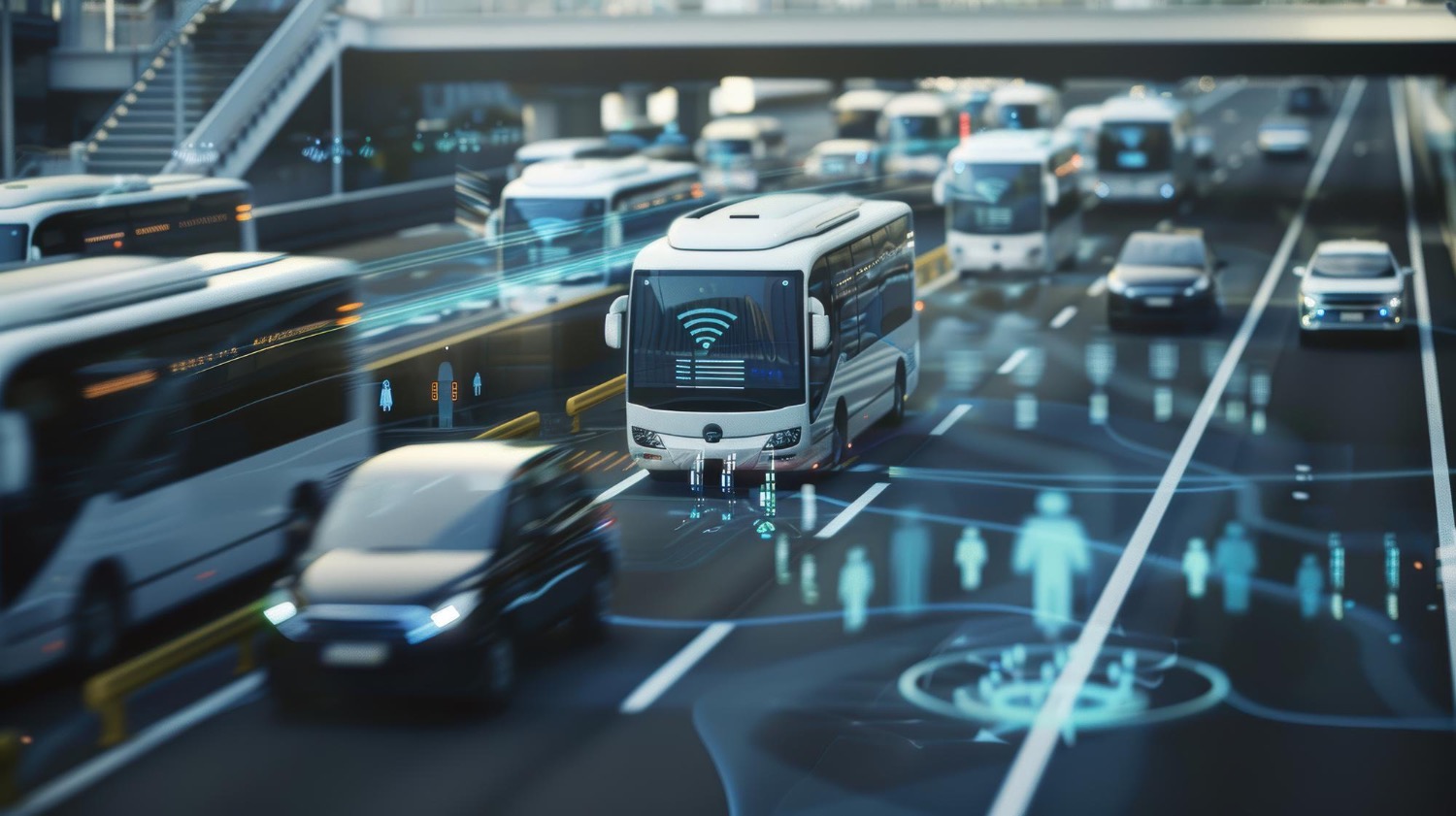
How is IoT Transforming Modern Transportation Networks?
IoT in transportation is changing how networks operate by connecting vehicles, infrastructure, and management systems in real time.
This continuous flow of data enables faster decisions, better coordination, and more resilient transportation services.
Real-Time Visibility and Smarter Decision-Making
One of the biggest shifts enabled by IoT in transportation is real-time visibility. Operators no longer have to wait for end-of-day reports to understand performance. They can see exactly where vehicles are, how routes are performing, and where demand is emerging.
If congestion builds unexpectedly, systems can suggest alternative routing. If a vehicle falls behind schedule, adjustments can be made quickly. This continuous flow of data improves response times and reduces service disruptions.
Real-time visibility also supports better long-term planning. Patterns in passenger demand, trip frequency, and route performance become clearer over time, allowing networks to evolve based on actual behavior rather than assumptions.
Cost Optimization for Fleets and Operators
Operational efficiency is often the most immediate benefit of IoT in transportation. Connected fleet management systems identify fuel inefficiencies, excessive idle time, underutilized vehicles, and risky driving behavior.
Predictive maintenance is another major advantage. Sensors detect early warning signs in vehicle systems, allowing maintenance teams to intervene before a breakdown occurs.
According to McKinsey, predictive maintenance enabled by IoT technologies can reduce maintenance costs by up to 30 percent in certain sectors.
Over time, these improvements add up. Reduced fuel use, longer asset life, and fewer service disruptions contribute to lower operating costs and stronger financial performance.
Improved Passenger Experience and Reliability
Passengers value predictability. IoT in transportation supports accurate arrival times, occupancy monitoring, and real-time notifications.
When travelers can see when a vehicle will arrive and how crowded it is, confidence increases. Reliability improves. Trust builds.
Connected systems also make it easier to integrate different modes of transportation into a seamless journey. This is a foundational principle of smart mobility that you can explore further in Liftango’s guide.
Sustainability, Emissions Tracking, and Smarter Routing
Transportation is one of the largest contributors to global greenhouse gas emissions. According to the International Energy Agency, the transport sector accounts for nearly one-quarter of global CO₂ emissions from fuel combustion.
Digital optimization and connected technologies are increasingly recognized as critical tools for reducing this footprint.
IoT in transportation helps measure emissions with greater precision. Fuel consumption, route efficiency, and vehicle utilization data allow operators to identify inefficiencies and reduce unnecessary mileage.
Connected routing also helps demonstrate how mobility drives sustainability by reducing single-occupancy vehicle trips and encouraging shared alternatives. Over time, IoT-enabled optimization contributes to measurable environmental progress.

What Are Key IoT Use Cases in Transportation Today?
IoT in transportation is already embedded in a wide range of real-world applications. From fleet oversight to traffic control and flexible routing models, connected systems are actively improving how transportation services are delivered and managed.
Fleet Management and Vehicle Tracking
Fleet management is one of the most mature applications of IoT in transportation. Every vehicle becomes part of a connected system that transmits location and performance data in real time.
Operators gain visibility into utilization rates, maintenance needs, and route adherence. This supports safer driving, more efficient dispatching, and improved accountability across fleets.
Demand-Responsive Transport and Dynamic Routing
Flexible service models depend heavily on connectivity. With IoT in transportation, booking data, passenger demand, and traffic conditions can be analyzed in real time.
If you’re exploring this concept in more detail, Liftango’s guide to demand-responsive transport (DRT) explains how flexible routing adapts to real-time demand.
Rather than sticking to fixed timetables regardless of usage patterns, IoT-enabled services can adjust dynamically. This improves efficiency while maintaining service coverage.
Public Transport Optimization and Occupancy Monitoring
Public transit systems are increasingly integrating IoT technologies to monitor occupancy levels and route performance. Real-time passenger data helps redistribute capacity and prevent overcrowding.
When paired with modern fixed route transit software, IoT insights enhance scheduling accuracy and long-term planning.
Traffic Management and Congestion Reduction
Smart traffic systems use sensors and connected signals to analyze traffic flow and adjust signal timing dynamically.
The U.S. Department of Transportation has documented measurable reductions in congestion and travel time variability when intelligent transportation systems are deployed.
IoT in transportation allows cities to respond to real-world traffic patterns rather than relying on fixed timing cycles.
Predictive Maintenance and Asset Monitoring
Infrastructure assets such as depots, charging stations, and terminals can also benefit from IoT monitoring. Sensors track equipment performance and environmental conditions, reducing unexpected downtime.
The result is a more resilient transportation system with fewer service interruptions.
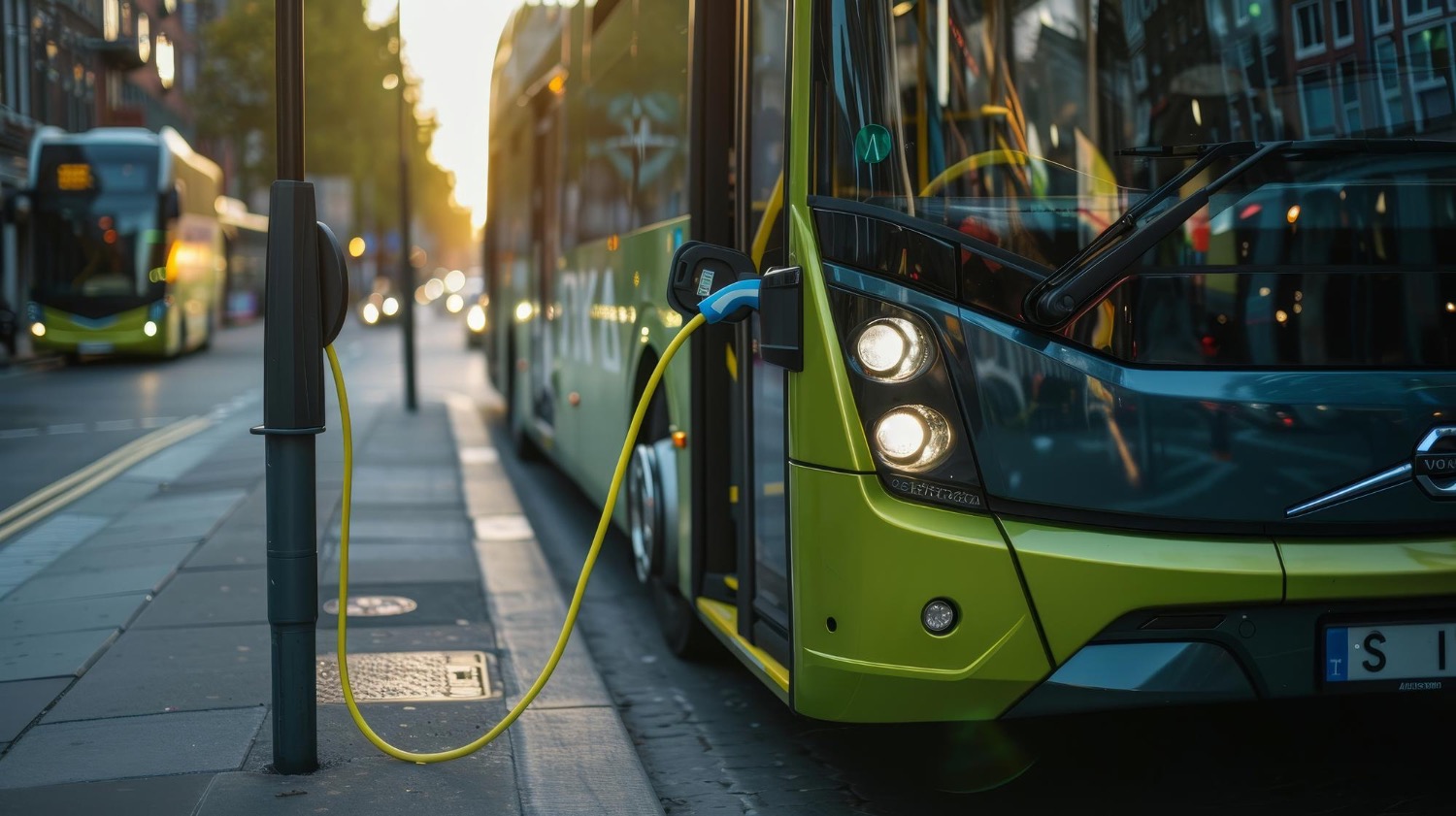
IoT and Shared Mobility: A Game Changer for Cities and Enterprises
Shared mobility models depend on coordination, visibility, and flexibility. IoT in transportation provides the connected foundation that allows cities and enterprises to manage shared fleets efficiently, respond to demand shifts, and deliver reliable, scalable mobility services.
How Does IoT Enable Smarter Shared Transport Models?
Shared mobility depends on coordination. IoT in transportation enables vehicles, platforms, and users to remain connected at all times.
Whether coordinating rides, tracking availability, or adjusting routes, connected systems make shared mobility more reliable and efficient.
Corporate Transport, Employee Shuttles, and Commuter Services
Enterprises are increasingly investing in employee transport services to reduce parking demand and improve workforce mobility. IoT platforms allow organizations to monitor ridership patterns, optimize shuttle deployment, and measure program performance.
Connected systems also support carpool solutions that match employees traveling similar routes, increasing vehicle occupancy and reducing commuting costs.
Using Real-Time Data to Adapt Supply to Demand
Data collected through IoT in transportation reveals usage patterns over time. When demand spikes in certain corridors, additional vehicles can be deployed. When usage declines, resources can be reallocated.
Organizations implementing demand-responsive transport solutions benefit from this level of flexibility, particularly in dynamic corporate or campus environments.
Reducing Single-Occupancy Vehicles Through Mobility
Carpooling programs become significantly more effective when powered by IoT data. Platforms that facilitate carpooling can match riders efficiently, track participation, and measure environmental impact.
By reducing reliance on single-occupancy vehicles, IoT in transportation supports congestion reduction and emissions goals simultaneously.

How Does IoT Support Demand-Responsive Transport Platforms?
Demand-responsive transport relies on flexibility and real-time coordination. IoT in transportation enables platforms to collect live journey data, monitor vehicle availability, and continuously adjust routes to match demand, ensuring services remain efficient and reliable.
Collecting and Analyzing Real-Time Journey Data
Demand-responsive services depend on continuous data collection. IoT in transportation captures pickup times, route deviations, passenger wait times, and utilization rates.
Optimizing Routes, Schedules, and Vehicle Utilization
Dynamic scheduling tools use IoT data to optimize routes in real time and even interact with traffic lights, adjusting timing based on traffic. Vehicles can then be assigned more efficiently, reducing empty mileage while maintaining service reliability.
Improving Reliability for Operators and Passengers
When operators can see service performance in real time, disruptions are easier to address. Passengers benefit from improved punctuality and transparent communication.
Supporting Data-Driven Reporting for Organizations and Cities
IoT-generated data supports strategic planning, ESG reporting, and performance benchmarking. Organizations can demonstrate measurable outcomes rather than relying on estimates.
What is the Role of IoT in Sustainable Transportation?
Sustainability is becoming a defining priority for transportation systems worldwide. IoT in transportation supports low-carbon mobility by providing the real-time data needed to optimize routes, improve vehicle efficiency, and reduce unnecessary mileage across fleets and networks.
Measuring Emissions and Environmental Impact
IoT in transportation enables accurate emissions tracking by analyzing fuel use and route efficiency. This data is essential for organizations pursuing climate commitments.
Encouraging Modal Shift Through Smarter Transport Options
Reliable shared transport options encourage commuters to shift away from private vehicles. IoT-enabled transparency increases confidence in these alternatives.
Aligning IoT Transport Data with ESG and Sustainability Goals
Connected reporting tools make it easier to align transportation performance with broader ESG frameworks and sustainability targets.
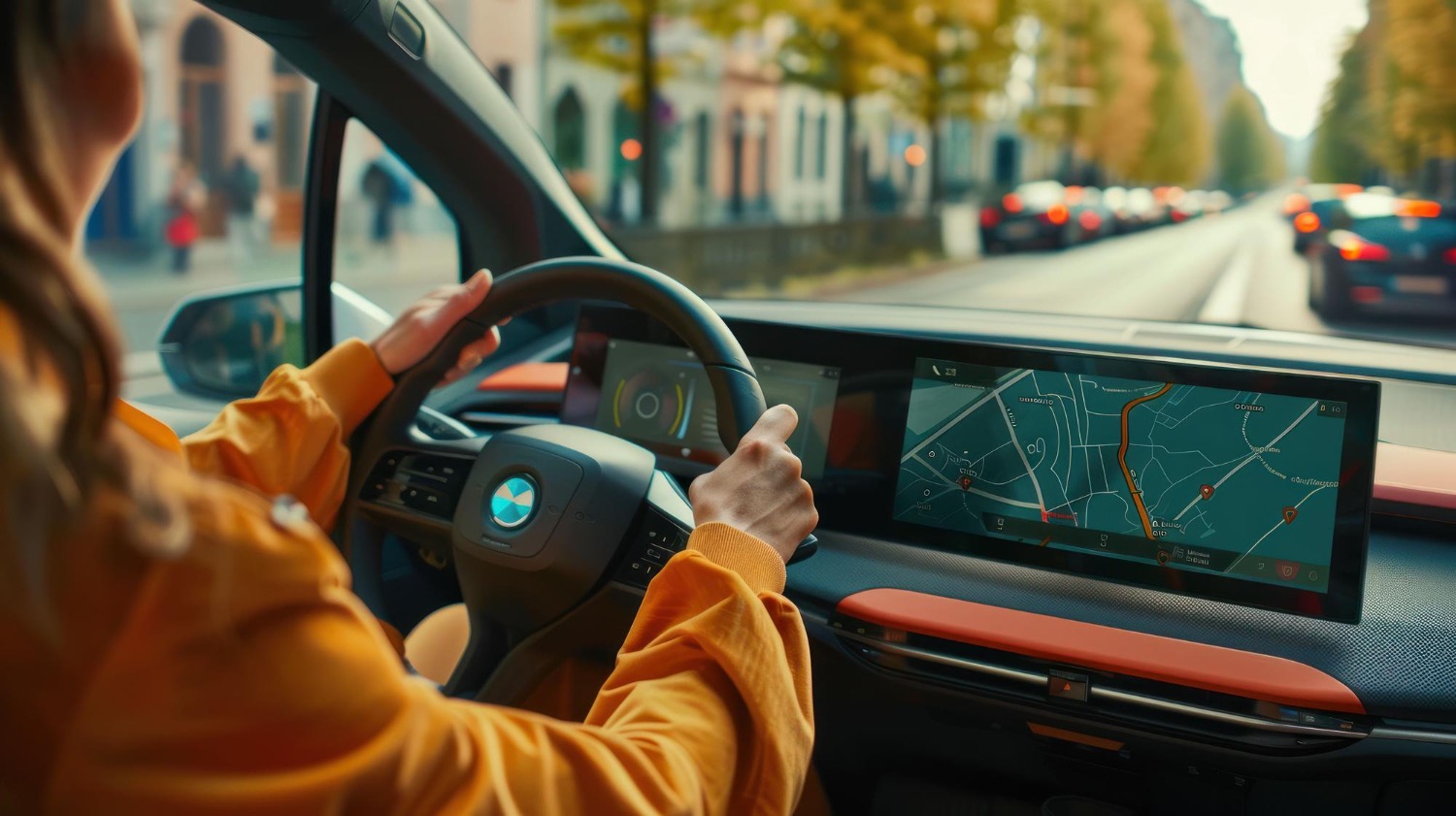
What Are the Challenges of Implementing IoT in Transportation?
While IoT in transportation offers significant benefits, implementation is rarely straightforward.
Organizations must address data security, system integration, scalability, and long-term governance to ensure connected technologies deliver sustainable value rather than added complexity.
Data Security, Privacy, and Compliance
With increased connectivity comes increased responsibility. IoT systems must protect sensitive operational and passenger data.
The National Institute of Standards and Technology provides guidance on securing IoT architectures, highlighting the importance of governance and cybersecurity planning.
Integrating IoT with Legacy Transport Systems
Many transportation networks still rely on legacy infrastructure. Integrating modern IoT systems requires careful interoperability planning.
Scalability Across Cities, Fleets, and Regions
Scaling IoT in transportation from pilot programs to city-wide deployments introduces technical and governance challenges. Platforms must be flexible and interoperable.
Data Overload: Turning Insights Into Action
Collecting data is only part of the equation. Organizations must ensure they have the analytical capabilities to turn insights into operational improvements.
What Should You Consider Before Adopting IoT-Enabled Transport Solutions?
Adopting IoT in transportation requires more than deploying new technology.
Organizations need clear objectives, scalable systems, and a long-term strategy to ensure connected solutions align with operational goals and deliver measurable impact.
Defining Clear Mobility and Operational Objectives
Clear goals help ensure that IoT in transportation delivers measurable value rather than simply adding complexity.
Choosing Scalable, Interoperable Platforms
Connected platforms must integrate across systems, fleets, and infrastructure while remaining adaptable.
Ensuring Long-Term Value Beyond Pilot Projects
Long-term planning, stakeholder alignment, and clear performance metrics are essential for sustainable success.
Why is IoT Essential to the Future of Transportation?
IoT in transportation is becoming essential because future mobility systems must be connected, adaptive, and data-driven.
As cities grow and travel patterns evolve, only integrated, real-time networks can deliver the efficiency, sustainability, and resilience that modern transportation demands.
From Connected Vehicles to Smarter Mobility Ecosystems
IoT in transportation connects vehicles, infrastructure, and management systems into cohesive mobility ecosystems. These ecosystems respond to demand in real time and support both efficiency and sustainability.

Learn More About IoT in Transportation
IoT is transforming transportation from reactive to intelligent - unlocking real-time visibility, smarter routing, improved safety, and better rider experiences.
As mobility networks grow more complex, connected technology becomes essential to building efficient, flexible, and sustainable transport systems.
Ready to explore how IoT can power smarter shared mobility? Contact us to see how Liftango helps organizations turn data into action.

FAQs
What are the key benefits of IoT in transportation?
IoT in transportation improves efficiency, reduces costs, enhances passenger reliability, supports sustainability, and enables data-driven decision-making.
How is IoT transforming public transportation?
IoT enables real-time tracking, dynamic routing, occupancy monitoring, predictive maintenance, and improved traffic management.
What challenges do IoT technologies face in the transportation sector?
Challenges include cybersecurity risks, integration with legacy systems, scalability across regions, and ensuring that large volumes of data translate into actionable insights.
